
Food Grade Silica Gel Sachets for Nutraceutical Protein and Powder Packaging
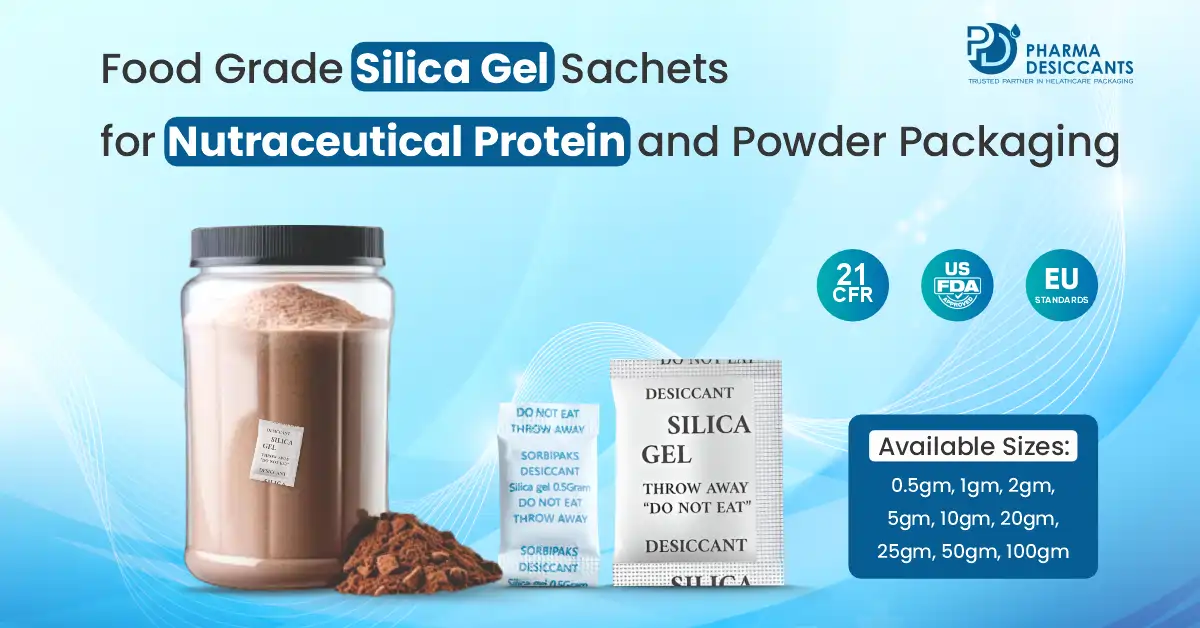
In the rapidly expanding nutraceutical industry, where protein powders, dietary supplements, and health formulations represent significant investments for both manufacturers and consumers, product integrity is paramount. Moisture, the silent enemy of powdered nutraceuticals, can transform premium formulations into clumped, degraded, or even dangerous products within weeks. This is where food-grade silica gel sachets emerge as the unsung heroes of product preservation, ensuring that every scoop of protein powder or nutritional supplement delivers the quality and efficacy consumers expect.
Food-grade silica gel desiccants have become indispensable in nutraceutical packaging, particularly for moisture-sensitive products like whey protein, plant-based protein powders, amino acid supplements, vitamin formulations, and specialized nutritional powders. Understanding how these microscopic moisture warriors work—and why they're essential can mean the difference between product success and costly recalls.
What is Food Grade Silica Gel?
Food-grade silica gel is a highly porous, synthetic form of silicon dioxide specifically manufactured to meet stringent food safety standards. Unlike industrial-grade variants, food grade silica gel undergoes rigorous purification processes to ensure it contains no harmful substances or contaminants that could migrate into consumable products.
At the molecular level, silica gel consists of millions of interconnected pores creating an extensive internal surface area typically 750-800 square metres per gram. This remarkable structure acts like a microscopic sponge, aggressively attracting and trapping water molecules through a process called adsorption (not absorption). The distinction is crucial: whilst absorption involves water being soaked into a material's structure, adsorption means water molecules adhere to the silica gel's vast internal surface area without chemically altering the desiccant.
Regulatory Compliance and Safety
Food-grade silica gel sachets comply with international safety standards, including:
- FDA Approval: Generally Recognized as Safe (GRAS) status for food contact
- EU Regulations: Compliant with EU 10/2011 for food contact materials
- DMF Certification: Drug Master File registered for pharmaceutical applications
- ISO Standards: Manufactured under ISO 9001:2015 quality management systems
These certifications ensure that silica gel sachets can safely coexist with nutraceutical products without compromising consumer safety or product quality.
Why Nutraceutical Proteins and Powders Need Moisture Protection
The Moisture Vulnerability of Protein Powders
Protein powders and nutraceutical formulations face unique moisture-related challenges that make desiccant protection essential:
Hygroscopic Nature: Many protein sources, particularly whey protein isolate and concentrate, are inherently hygroscopic—meaning they naturally attract and absorb atmospheric moisture. Even in sealed containers, residual air contains moisture that can degrade product quality over time.
Clumping and Caking: Moisture causes protein particles to stick together, creating unsightly and inconvenient clumps that frustrate consumers and suggest poor product quality. Once clumped, proteins become difficult to measure accurately and don't mix properly in liquids.
Microbial Growth: Moisture creates ideal conditions for bacterial and fungal growth. In protein-rich environments, even minimal moisture can trigger contamination that renders products unsafe for consumption.
Nutrient Degradation: Many vitamins, minerals, and bioactive compounds incorporated into nutraceutical formulations degrade rapidly in the presence of moisture. Vitamin C, B-complex vitamins, and probiotics are particularly vulnerable, losing potency long before their printed expiration dates.
Oxidation Acceleration: Moisture accelerates oxidative processes that create off-flavours, rancidity in protein fats, and browning discolouration—all telltale signs of compromised product quality.
The Cost of Inadequate Moisture Control
For nutraceutical manufacturers, moisture damage translates directly into financial losses through product returns, damaged brand reputation, reduced shelf life, and potential regulatory issues. Consumer trust, once lost due to quality problems, proves extremely difficult to rebuild in the competitive supplements market.
Benefits of Food Grade Silica Gel Sachets in Nutraceutical Packaging
- Extended Shelf Life
Silica gel sachets dramatically extend product shelf life by maintaining optimal moisture levels throughout the product's journey from manufacturing facility to consumer's home. Properly protected protein powders can maintain quality for 18-24 months or longer, compared to just 6-12 months for unprotected products.
- Product Integrity Preservation
By maintaining low relative humidity within packaging, silica gel prevents the physical and chemical changes that compromise product quality. Powders remain free-flowing, flavours stay fresh, and nutritional content remains stable throughout the product's shelf life.
- Enhanced Consumer Experience
Consumers consistently report higher satisfaction with products that remain fresh, easy to use, and effective throughout their lifecycle. The simple addition of a silica gel sachet ensures customers experience the product as intended—free-flowing, fresh-tasting, and fully potent.
- Regulatory Compliance Support
Many regulatory frameworks require manufacturers to demonstrate adequate stability and quality control measures. Food-grade silica gel sachets provide documented, validated moisture control that supports compliance with Good Manufacturing Practices (GMP) and quality assurance protocols.
- Cost-Effective Solution
Compared to more complex moisture barrier packaging or nitrogen flushing systems, silica gel sachets offer exceptional value. They're inexpensive, easy to implement, require no special equipment, and deliver reliable performance across diverse storage conditions.
- Versatile Application
Food grade silica gel sachets work effectively across various packaging formats—from small single-serving sachets to large bulk containers. They complement rather than replace existing packaging, making them easy to integrate into current production lines.
Applications in Nutraceutical Product Categories
Protein Powder Formulations
Whey Protein: Both concentrate and isolate forms benefit enormously from silica gel protection. The high protein density and residual lactose make whey particularly susceptible to moisture-induced clumping.
Plant-Based Proteins: Pea, rice, hemp, and soy proteins often contain more complex carbohydrates that readily attract moisture. Silica gel sachets maintain the powder consistency that consumers expect.
Collagen Peptides: These increasingly popular proteins can become sticky and difficult to use when exposed to moisture. Desiccant protection ensures easy dispensing and mixing.
Amino Acid Supplements
Individual amino acids like BCAAs (branched-chain amino acids), glutamine, and creatine are extremely hygroscopic. Without proper desiccant protection, these powders transform into hard, unusable blocks within weeks of opening.
Vitamin and Mineral Powders
Powdered multivitamins, vitamin C formulations, and mineral supplements require stringent moisture control to prevent degradation and maintain stated potency throughout shelf life.
Probiotic Formulations
Live probiotic cultures are exceptionally moisture-sensitive. Even slight humidity exposure can kill beneficial bacteria, rendering products ineffective. Silica gel sachets are essential for maintaining probiotic viability.
Meal Replacement and Nutritional Powders
Complex formulations containing proteins, carbohydrates, fats, vitamins, and minerals face multiple moisture-related vulnerabilities. Comprehensive desiccant protection ensures all components remain stable and effective.
Technical Specifications and Selection Guide
Understanding Adsorption Capacity
Silica gel's moisture-adsorbing capacity varies by type and environmental conditions. Standard food grade silica gel can adsorb approximately 35-40% of its weight in moisture at high humidity levels. Capacity planning requires calculating the total moisture load from:
- Residual air in packaging headspace
- Moisture content of the product itself
- Potential moisture ingress through packaging materials
- Expected storage conditions and duration
Choosing the Right Sachet Size
Sachet sizing depends on several factors:
Package Volume: Larger containers require proportionally more desiccant capacity Product Sensitivity: Highly hygroscopic products need more aggressive moisture control Storage Conditions: Hot, humid climates demand increased desiccant capacity Shelf Life Requirements: Longer shelf life targets require additional protection
Common sachet sizes for nutraceutical applications range from 0.5 grams for small sample sachets to 50 grams or more for bulk containers.
Indicator vs Non-Indicator Silica Gel
Indicator Silica Gel: Contains a colour-changing compound (typically orange or blue to clear/pink) that signals moisture saturation. Useful for quality control but prohibited in direct food contact applications.
Non-Indicator Silica Gel: Pure white silica gel without colour indicators, approved for direct inclusion in food and nutraceutical packaging. This is the recommended choice for most applications.
Packaging Materials for Sachets
Quality sachets use breathable, non-woven materials like Tyvek or similar substrates that allow moisture to pass through whilst containing silica gel beads securely. The packaging material must be food-safe and won't shed fibres or contaminate products.
Best Practices for Implementation
Proper Placement
Position silica gel sachets where they won't be immediately discarded during first product use. Many manufacturers place them beneath a foil seal or attach them to the inside of the lid. Include clear "Do Not Eat" warnings in multiple languages.
Integration with Production
Add sachets as the final step before sealing containers. This ensures maximum desiccant effectiveness from the moment of packaging. Automated sachet insertion equipment can integrate seamlessly into existing production lines.
Storage and Handling
Store unused sachets in sealed, moisture-proof containers until ready for use. Exposure to ambient humidity before packaging reduces effectiveness. Implement strict inventory rotation to ensure freshest desiccant usage.
Quality Control Testing
Regularly verify silica gel performance through accelerated stability studies and real-world shelf life testing. Monitor moisture levels in finished products and adjust desiccant quantities as needed.
Conclusion: Investing in Product Excellence
In the competitive nutraceutical industry, where consumer loyalty depends on consistent product quality and effectiveness, food grade silica gel sachets represent a small investment with outsized returns. These humble moisture protectors ensure that every container of protein powder, every jar of amino acids, and every bottle of nutritional supplement delivers the premium experience consumers expect and deserve.
By maintaining optimal moisture levels throughout the product lifecycle, silica gel sachets protect your brand reputation, reduce costly returns, extend shelf life, and most importantly ensure that health-conscious consumers receive the full nutritional benefit of your carefully formulated products. In an industry built on trust and efficacy, proper moisture management isn't optional it's essential.
