
How Desiccant Bags and Packets Increase the Shelf Life of Healthcare Products
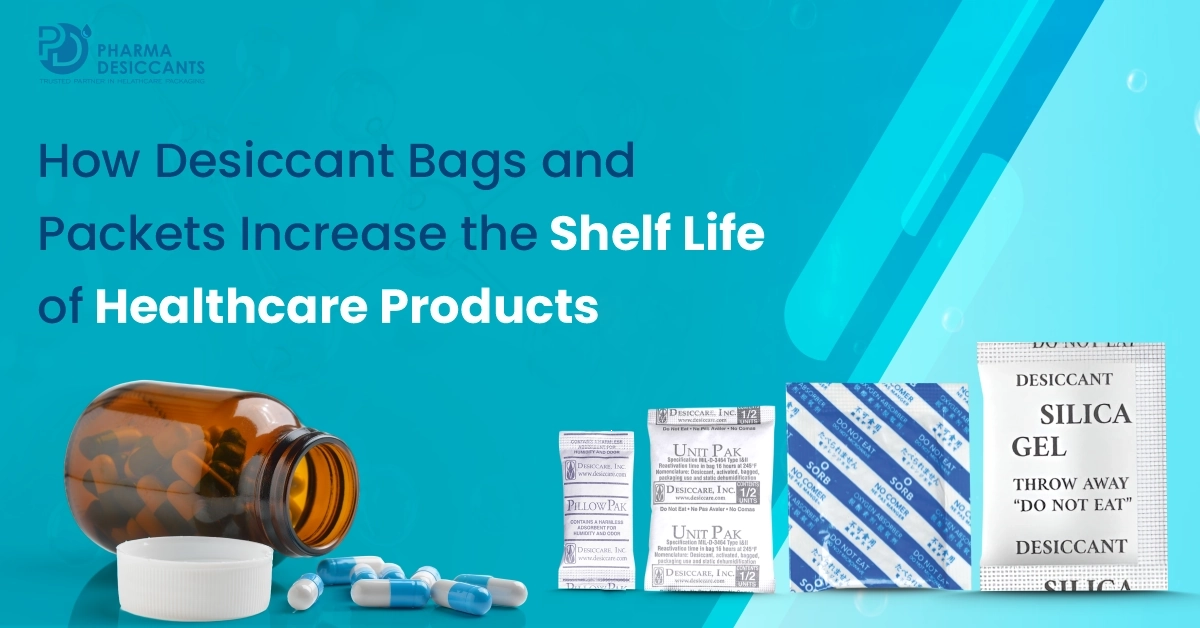
Moisture poses one of the most significant threats to pharmaceutical products, medical devices, and healthcare supplies. Even minimal exposure to humidity can trigger chemical degradation, microbial contamination, and physical deterioration that render medications ineffective or unsafe. Desiccant bags and desiccant packets serve as the primary defense mechanism against moisture-related damage, playing a critical role in maintaining product integrity from manufacturing through patient consumption. Understanding how these small but essential components work reveals why they've become indispensable in modern pharmaceutical packaging.
The Critical Relationship between Moisture and Drug Stability
Molecular Vulnerability:
- Pharmaceutical compounds have specific molecular structures designed for therapeutic effects
- These structures remain vulnerable to environmental factors, particularly moisture
- Water molecules initiate hydrolysis reactions that break down active pharmaceutical ingredients (APIs)
- Reduced potency and potentially harmful degradation products result from moisture exposure
Hygroscopic Medication Challenges:
- Hygroscopic medications naturally attract and absorb moisture from surrounding environments
- Aspirin hydrolyzes in moisture presence, breaking down into salicylic acid and acetic acid
- This breakdown reduces effectiveness and can cause gastric irritation
- Antibiotics, vitamins, enzymes, and biologics demonstrate heightened sensitivity to humidity exposure
Microbial Contamination Risks:
- Moisture creates favourable conditions for microbial growth
- Bacteria, fungi, and molds thrive in humid environments
- Products become potentially contaminated, creating serious health risks for patients
Physical Degradation Issues:
- Tablets may soften, crack, or stick together
- Capsules can become brittle or dissolve prematurely
- Powders clump together, making accurate dosing impossible
- Physical changes compromise product usability and patient safety
How Desiccants Increase Shelf Life through Moisture Control?
How desiccants increase shelf life centers on their ability to create and maintain low-humidity micro-environments within sealed packaging. Moisture protection desiccants function through adsorption or absorption processes that remove water vapor from the air surrounding pharmaceutical products.
Adsorption involves water molecules adhering to the surface of desiccant materials without changing the desiccant's physical state. This process continues until equilibrium is reached between the desiccant and the surrounding atmosphere, maintaining consistently low relative humidity levels.
The protective effect extends throughout the product's shelf life. When pharmaceutical desiccants are properly sized and sealed within packaging, they continuously work to counter moisture ingress from environmental exposure, temperature fluctuations, and packaging permeability. This constant vigilance ensures products remain within specified stability parameters from the moment packaging is sealed until the patient opens the container.
Temperature cycling common during transportation and storage—creates particular challenges. As temperatures rise, packaging materials expand slightly, potentially allowing humid air infiltration. When temperatures drop, this air contracts, and any moisture present can condense directly onto products. Desiccant packets for pharmaceuticals absorb this moisture before condensation occurs, preventing water damage during transit through varying climate zones.
Types of Pharmaceutical Desiccants and Their Applications
Pharma desiccant types vary in composition, capacity, and suitability for different applications. Understanding these variations helps manufacturer’s select optimal pharmaceutical packaging solutions for specific products.
1. Silica Gel Desiccants
Silica gel desiccant packs represent the most widely used option in pharmaceutical applications. Composed of amorphous silicon dioxide, these desiccants for healthcare products offer several advantages that make them industry standards. Silica gel is non-toxic, chemically inert, and FDA-approved for direct contact with medications and food products.
Silica gel comes in various forms. Standard white or clear beads work effectively across most applications. Indicating silica gel contains colour-changing crystals that visually signal saturation levels blue crystals turn pink, while orange indicator silica remains safe for all applications without cobalt chloride concerns. High-performance grades offer enhanced adsorption capacity for demanding applications like biologics and sensitive APIs.
2. Molecular Sieves
Molecular sieves consist of synthetic crystalline aluminosilicates with precisely controlled pore sizes. These moisture absorption desiccants excel at achieving extremely low humidity levels down to 1% relative humidity or less making them ideal for highly moisture-sensitive products like certain antibiotics, diagnostic kits, and lyophilized biologics. Their selectivity allows them to adsorb water molecules while excluding larger molecules, providing targeted protection.
3. Clay Desiccants
Natural clay desiccants, derived from montmorillonite or bentonite clays, offer cost-effective moisture protection for less sensitive products. While their adsorption capacity typically reaches only 20-25% of their weight lower than silica gel they provide adequate protection for many over-the-counter medications, vitamins, and nutritional supplements at a lower price point.
Pharmaceutical Moisture Barrier Packaging Integration
Pharmaceutical moisture barrier packaging combines multiple protection layers, with desiccant bags serving as the active component within passive barrier systems. High-quality packaging materials aluminum foils, metallized films, and specialized polymers—provide the primary barrier against environmental moisture. However, no packaging achieves perfect permeability. Microscopic moisture transmission occurs over time through even the best materials.
This is where moisture control in medicines packaging through desiccants becomes essential. The desiccant absorbs moisture that penetrates barrier materials, maintaining stable low-humidity conditions inside the package. This dual-layer approach passive barrier plus active moisture removal—creates comprehensive protection throughout the product's intended shelf life.
Strip packaging for tablets and capsules often incorporates desiccant cards or sachets within cartons. Bottle packaging typically includes silica gel canisters or packets placed directly in the container. Blister packs may use desiccant-lined backing materials or include small packets within outer cartons. Each configuration is engineered to provide sufficient desiccant capacity for the specific product volume, packaging permeability, and intended storage duration.
Proper Selection and Sizing of Desiccant Packets
Effective desiccant packets for pharmaceuticals require proper sizing calculations based on multiple factors. Underdosing leaves products vulnerable to moisture damage, while overdosing wastes resources and may create unnecessary bulk in packaging.
Key considerations include package void volume—the air space around the product. Larger air volumes contain more moisture that requires removal. Packaging permeability determines how quickly external moisture penetrates the container. Products stored in humid climates or for extended periods need more desiccant capacity than those in controlled environments with shorter shelf lives.
Regulatory requirements also influence desiccant selection. FDA, USP (United States Pharmacopeia), and international standards specify permissible desiccant types, maximum moisture content allowed in packaging, and stability testing protocols. Compliance documentation must demonstrate that chosen desiccants maintain products within acceptable moisture parameters throughout labelled expiration periods.
Quality Standards and Regulatory Compliance
Pharmaceutical packaging solutions incorporating desiccants must meet stringent quality and safety standards. Pharmaceutical-grade desiccants undergo rigorous testing to ensure they meet purity requirements, contain no contaminants that could migrate to products, and perform consistently across production batches.
USP standards define acceptable desiccant materials for pharmaceutical use. Materials must be non-toxic, non-reactive with pharmaceutical compounds, and free from substances that could compromise product quality. Certificate of analysis documentation accompanies pharmaceutical desiccants, providing verification of compliance with specifications.
Packaging validation studies demonstrate that desiccant-inclusive packaging maintains product stability under various storage conditions. Accelerated stability testing exposes packaged products to elevated temperature and humidity conditions, simulating long-term storage effects in compressed timeframes. Real-time stability studies monitor products stored under normal conditions throughout their shelf lives, confirming that desiccants maintain protective environments as intended.
Implementation Best Practices
Successful implementation of moisture protection desiccants requires attention to handling and packaging procedures:
Desiccant Handling Protocol:
- Desiccants begin adsorbing moisture immediately upon exposure to air
- Must remain sealed until the exact moment of packaging insertion
- Manufacturing environments should maintain controlled humidity levels
- Minimize moisture exposure during all packaging operations
Automated Packaging Line Configuration:
- Systems must insert desiccants without contaminating products
- Equipment designed to prevent package damage during insertion
- Inline moisture monitoring verifies humidity specifications before sealing
- Quality control sampling confirms desiccant presence in finished packages
- Verification of appropriate desiccant sizing for each product batch
Storage and Transportation Guidelines:
- Minimize exposure to extreme humidity conditions when possible
- Avoid prolonged temperature fluctuations during transit
- Well-designed desiccant packaging provides protection even with imperfect environmental control
- Products remain resilient throughout complex distribution chains
- Protective packaging compensates for varying climate zones and storage conditions
Conclusion
Desiccant bags and desiccant packets provide essential protection against pharmaceutical manufacturing's most persistent moisture challenges. These pharmaceutical desiccants create stable, low-moisture environments that safeguard medications from degradation, contamination, and physical damage.
The proven relationship between drug stability and desiccants has made them standard components in modern pharmaceutical packaging solutions. From silica gel desiccant packs in consumer medication bottles to specialized molecular sieves protecting sensitive biologics, the variety of pharma desiccant types enables tailored moisture protection for specific product requirements.
Combined with effective pharmaceutical moisture barrier packaging, these moisture absorption desiccants extend shelf life, ensure product efficacy, and protect patient safety proving that small components often deliver the greatest value in healthcare delivery.
